

An escrow holdback for repairs is a financial arrangement where a portion of the seller’s proceeds is set aside with a neutral third party at closing to fund agreed-upon repairs completed after the sale. This tool lets transactions close on time even when repairs remain unfinished, protecting both buyers and lenders without forcing a delayed closing. In Santa Clara County’s fast-moving market, where timing and precision matter, understanding how holdbacks work can mean the difference between a deal that closes and one that falls apart. Laxmitoprealtor has guided buyers and sellers through this process across hundreds of transactions in Cupertino, Sunnyvale, San Jose, Saratoga, and beyond.
How does an escrow holdback for repairs actually work?
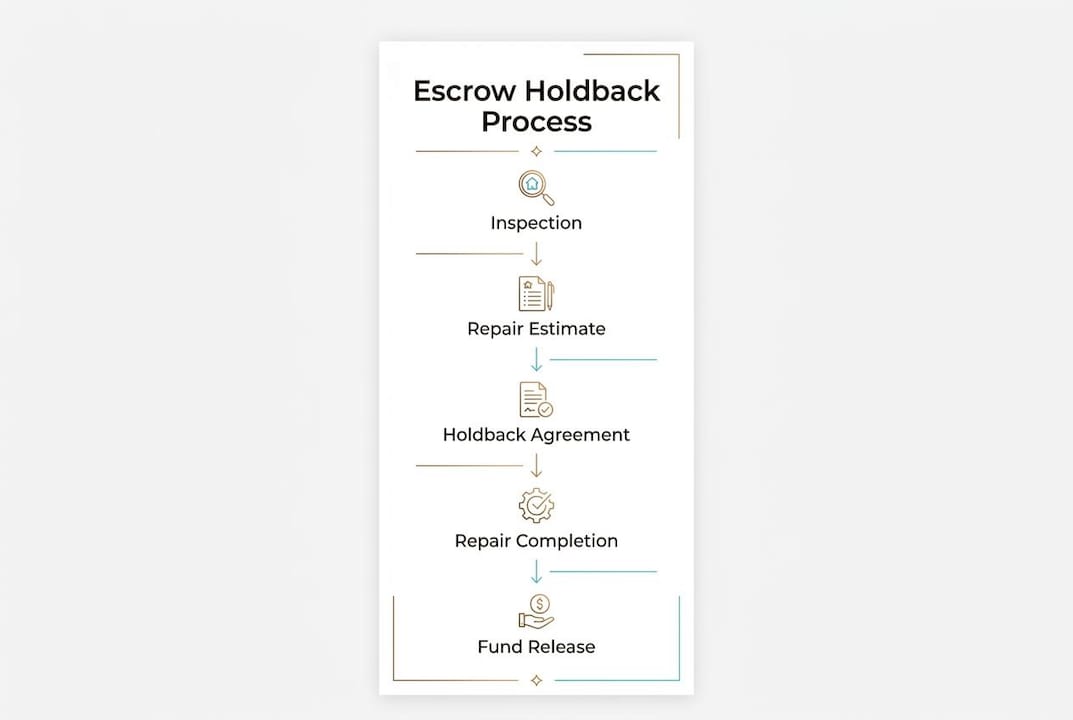
An escrow holdback for repairs follows a defined sequence of steps, and each step must be completed correctly for the funds to release without dispute. The process begins at the negotiation table and ends only after verified repair completion.
- Agreement on repairs and costs. The buyer, seller, and their agents agree on which repairs will be completed after closing and obtain contractor estimates for each item. This agreement becomes the foundation of the holdback clause for repairs in the purchase contract.
- Drafting the repair escrow agreement. A formal written addendum, called a repair escrow agreement or escrow holdback addendum, is drafted and signed by all parties. Title companies and escrow officers advise using formal written addenda rather than verbal promises, because verbal commitments carry no legal enforcement mechanism.
- Lender review and approval. The lender reviews the holdback arrangement before approving the loan. Not every lender accepts holdbacks, and those that do impose specific conditions on eligible repairs and fund amounts.
- Holdback amount calculation. Lenders require the holdback to include a contingency buffer. Holdback amounts are typically 120%–150% of the contractor’s repair estimate, and some lenders require up to 200%. That buffer protects against change orders and cost overruns.
- Funds held by the escrow agent. At closing, the agreed holdback amount is withheld from the seller’s proceeds and placed with the escrow agent. The escrow agent is a neutral party with no financial stake in the outcome.
- Repair completion and verification. The seller arranges for repairs to be completed within the agreed timeline. Completion deadlines are typically set within 30–180 days post-closing. Verification requires paid invoices, lien waivers from contractors, and often a re-inspection.
- Fund release. Once all release conditions are met, the escrow agent disburses funds to the contractor or the seller. Any surplus above actual repair costs is returned to the seller. Any interest earned on the escrowed funds must be paid to the buyer, as required by regulatory principles governing escrow accounts.
Pro Tip: Get at least two licensed contractor bids before agreeing on the holdback amount. A single low estimate can leave the seller short of funds if the actual cost runs higher, triggering a dispute over who covers the gap.
What repairs qualify for an escrow holdback?
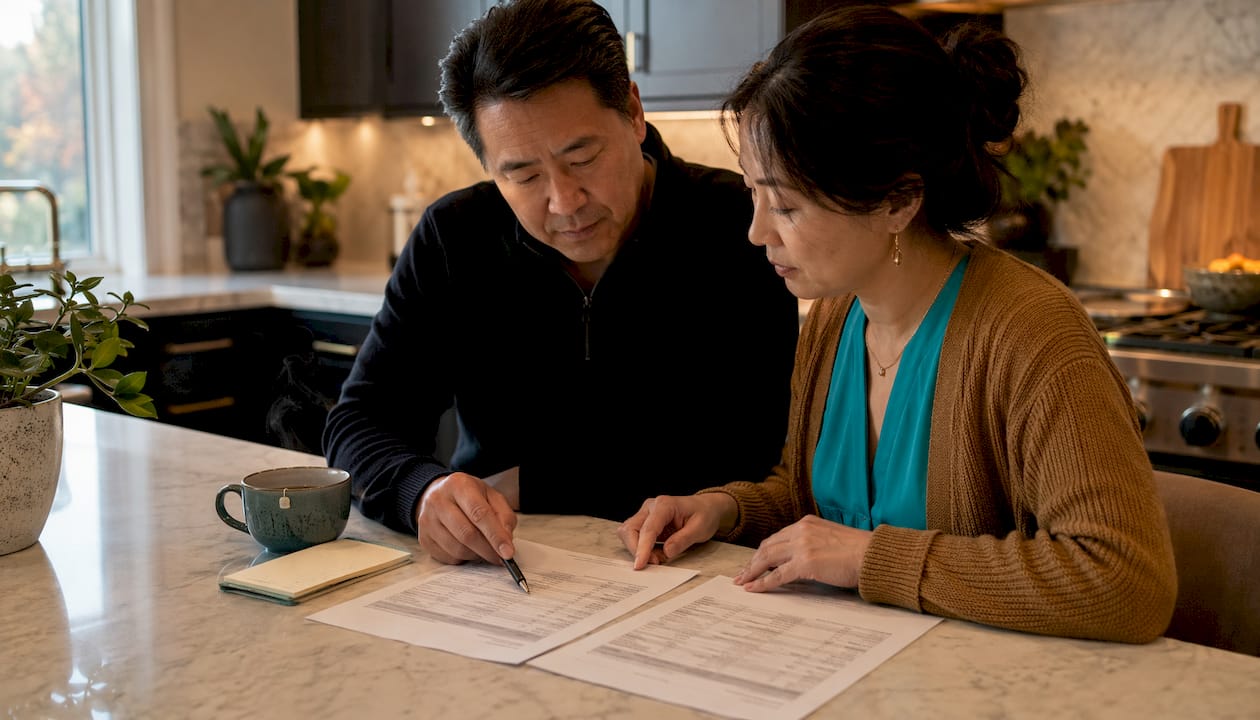
Not every repair qualifies for a holdback arrangement. Lenders draw a firm line between cosmetic or weather-dependent repairs and those that affect structural integrity or occupant safety.
Lenders generally will not allow holdbacks for structural or safety repairs. These must be completed before closing and before the lender issues final loan approval. Attempting to negotiate a holdback for a non-eligible repair wastes time and can jeopardize the loan.
Repairs that typically qualify for a holdback:
- Exterior painting or staining
- Landscaping, grading, or hardscaping work
- Fence installation or repair
- Driveway resurfacing
- Cosmetic interior fixes such as flooring or trim
- Repairs delayed by weather or contractor availability
Repairs that typically must be completed before closing:
- Foundation or structural repairs
- Roof replacement due to active leaks
- Electrical panel upgrades required for safety
- Plumbing repairs involving active water damage
- HVAC systems flagged as non-functional
Escrow holdbacks are not a workaround for critical repairs. Lenders require safety and structural work to be finished before loan approval and closing, regardless of how cooperative the buyer and seller are. Attempting to use a holdback for ineligible repairs risks loan denial at the final stage.
Loan program rules also vary. Conventional loans, FHA loans, and VA loans each carry different underwriting standards for repair eligibility and holdback timelines. Buyers using government-backed financing should confirm holdback eligibility with their lender early in the transaction, not after the purchase agreement is signed.
What risks should buyers and sellers know about?
Escrow holdbacks introduce financial and legal risks that both parties must understand before signing a repair escrow agreement. Most disputes arise from vague documentation, missed deadlines, or unpaid contractors.
For sellers, the most immediate risk is cash flow. Holdback funds tied up in escrow are unavailable at closing, which can limit the seller’s ability to fund a down payment on their next home. When lenders apply a 1.5x or 2x multiplier to the repair estimate, the withheld amount can be substantial.
For buyers, the primary risk is that repairs are not completed on time or to the agreed standard. If the seller misses the deadline, the buyer may use escrowed funds to hire contractors directly. That scenario often triggers disputes over contractor selection, cost, and quality.
Common risks to plan for:
- Vague scope of work in the escrow agreement, leading to disagreements over what “completed” means
- Contractors filing mechanics liens if the seller fails to pay them from holdback funds
- Repair costs exceeding the holdback amount, leaving a funding gap
- Delays caused by permit requirements or contractor scheduling
- Lender refusal to release the loan if repairs are not verified before the deadline
Pro Tip: Require lien waivers from every contractor before authorizing fund release. A mechanics lien filed against a property the buyer now owns creates a title problem that can take months and significant legal fees to resolve.
Clear documentation and precise escrow agreements are the primary tools that prevent conflicts and protect both parties. The agreement should specify the scope of work, deadlines, release conditions, surplus distribution, and default consequences in writing before closing.
How to manage an escrow holdback in Santa Clara County
Santa Clara County real estate transactions move quickly. Managing a holdback arrangement in this market requires preparation, licensed professionals, and clear written instructions from day one.
- Negotiate the holdback amount and timeline carefully. Build in a realistic contingency. If the contractor estimate is $10,000, expect the lender to hold $12,000–$15,000. Agree on a repair deadline that gives the contractor enough time without leaving funds in escrow longer than necessary.
- Select licensed, insured contractors. California requires contractors to hold a valid CSLB (Contractors State License Board) license. Verify the license number before signing any work agreement. Unlicensed contractors create liability and complicate lien waiver requirements.
- Document the scope of work precisely. Vague language like “repair fence” creates disputes. Write “replace 40 linear feet of wood fence along the north property line with matching cedar boards.” Precision in the escrow instructions eliminates ambiguity at the release stage.
- Maintain open communication with all parties. The escrow officer, lender, buyer’s agent, seller’s agent, and contractor all need to stay aligned. A single missed update can delay fund release by weeks.
- Schedule a re-inspection before requesting fund release. Most lenders and escrow officers require a third-party inspection confirming that repairs meet the agreed standard. Schedule this inspection before the deadline, not on the last day.
- Gather complete documentation for fund release. The escrow agent will require paid invoices, lien waivers from every contractor and subcontractor, and the re-inspection report. Missing any one document delays disbursement.
Pro Tip: In Santa Clara County, permit timelines for certain exterior work can run four to six weeks. If the repair requires a permit, factor that into the holdback deadline before signing the addendum. A 30-day deadline is often too short for permitted work.
Laxmitoprealtor’s experience across 570+ transactions in Santa Clara County means that negotiation and risk mitigation in escrow holdback situations follow a proven process, not guesswork. Local market knowledge shapes every recommendation, from contractor timelines to lender preferences.
Key Takeaways
A well-structured escrow holdback for repairs protects both buyer and seller, but only when the agreement is precise, the timeline is realistic, and every release condition is documented in writing before closing.
| Point | Details |
|---|---|
| Holdback amounts include a buffer | Lenders require 120%–150% of the repair estimate, sometimes up to 200%, to cover cost overruns. |
| Structural repairs are not eligible | Safety and structural repairs must be completed before closing; holdbacks apply only to cosmetic or exterior work. |
| Written agreements prevent disputes | The repair escrow agreement must specify scope, deadlines, release conditions, and default consequences. |
| Sellers lose access to funds at closing | Holdback proceeds are unavailable until repairs are verified, which can affect a seller’s next purchase. |
| Deadlines must account for permits | In Santa Clara County, permitted repairs can take four to six weeks, making short deadlines risky. |
What I have learned from holdback negotiations in Silicon Valley
Sellers consistently underestimate how much the holdback multiplier affects their net proceeds at closing. When a lender holds 150% of a $20,000 repair estimate, that is $30,000 unavailable on closing day. For sellers who planned to use those funds as a down payment on their next home, this creates a real cash flow problem that no one warned them about.
The second pattern I see repeatedly is parties treating the repair escrow agreement as a formality. They sign a vague addendum, assume goodwill will carry the deal, and then spend weeks arguing over whether the work meets the agreed standard. Formal written holdback addenda with precise language are not bureaucratic overhead. They are the only thing that protects both sides when a contractor runs late or a repair costs more than estimated.
Lender rules also shape what is possible more than most buyers and sellers realize. I have seen transactions where the buyer and seller agreed on a holdback for a repair the lender simply would not allow. That discovery, made late in escrow, forced a renegotiation under time pressure. The fix is always the same: confirm lender eligibility before the purchase agreement is signed, not after.
The buyers and sellers who navigate holdbacks successfully share one trait. They treat the escrow holdback process with the same attention they give to the purchase price negotiation. Every detail matters, and the documentation has to be complete before closing day.
— Laxmi Penupothula, REALTOR® | Laxmitoprealtor
Working with Laxmitoprealtor on your Santa Clara County transaction
Escrow holdbacks require precise negotiation, lender coordination, and documentation that holds up under scrutiny. Laxmitoprealtor brings 8 years of Bay Area real estate experience and more than $650 million in closed sales to every transaction, including those involving complex holdback arrangements.

Laxmi Penupothula is ranked in the Top 1% of REALTORS® in the United States by RealTrends Verified for five consecutive years and holds the SCCAOR REAL Award for Santa Clara County every year from 2021 through 2025. Whether you are buying or selling in Sunnyvale, San Jose, Saratoga, or anywhere across the South Bay, Laxmitoprealtor provides the local real estate expertise to guide you through every stage of the transaction, including escrow holdback negotiations that protect your interests and keep your closing on track. Contact Laxmitoprealtor at laxmitoprealtor.com to schedule a consultation.
FAQ
What is an escrow holdback for repairs?
An escrow holdback for repairs is an arrangement where a portion of the seller’s proceeds is held by a neutral escrow agent at closing to fund specific repairs completed after the sale. The funds are released only after verified repair completion.
How long does an escrow holdback last after closing?
Completion deadlines are typically set within 30–180 days post-closing, depending on the scope of repairs and lender requirements. Permits and contractor availability in Santa Clara County can push timelines toward the longer end of that range.
How much money does a lender hold back for repairs?
Lenders typically require 120%–150% of the repair estimate to be held in escrow, with some programs requiring up to 200%. The buffer covers potential cost overruns and change orders.
Can a seller use escrow holdback funds to pay contractors directly?
The escrow agent disburses funds to contractors or the seller only after all release conditions are met, including paid invoices and lien waivers. Sellers do not access the funds directly during the repair period.
What happens if repairs are not finished by the holdback deadline?
If the seller misses the deadline, the buyer may have the right to hire contractors directly using the escrowed funds. This scenario frequently leads to disputes, which is why a precise written repair escrow agreement with clear default consequences is non-negotiable.
Recommended
- Strategic Negotiation & Risk Mitigation: A Case Study in Evergreen, San Jose – Laxmi Penupothula
- Top 7 Home Upgrades That Increase Value in San Jose & Sunnyvale CA
- Sell Your Mission San Jose Home | Market Reset Strategy 2026 | DRE #02047105
- Selling Home in Milpitas CA: The Complete 2026 Seller’s Guide

Laxmi Penupothula
RealTrends Verified Top 1% REALTOR® Nationwide (2021–2025) • CA DRE #02047105
SCCAOR Top 1% Santa Clara County • Intero Chairman Circle 2023–2025 • \$650M+ Closed • 570+ Transactions
Silicon Valley & Bay Area Specialist — Cupertino, San Jose, Fremont, Milpitas, Sunnyvale & surrounding cities.
Get a Free Home Valuation →